
HOW TO READ THE RECORD WITHOUT GETTING AHEAD OF THE FACTS
Finding a document is only the beginning.
By Bea Byline | Life of a Sardine™

Finding a government document can feel like finding the answer. Often, it is only the beginning.
Start with the document itself. Read the title and check the date. Look for revisions. Identify who prepared it and where it was submitted.
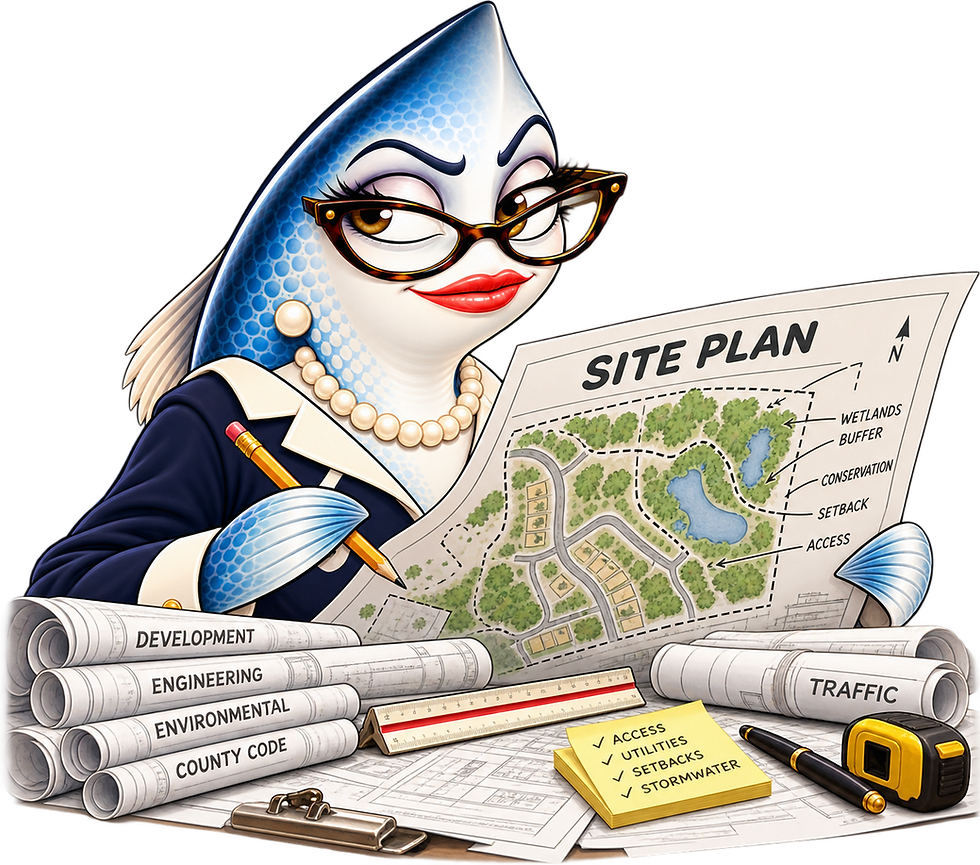
Next, ask what the document supports. A site plan can show what was proposed when the plan was prepared. It cannot tell you everything that happened before or after that date.
Be careful when connecting records. Suppose an agency raises a concern and a later plan contains a change. The records may show the concern and the later change. Unless another record connects those events, the sequence does not establish why the plan changed.
That gap tells you what to look for next.
Documents often lead to other documents. A plan may reference a permit. A staff comment may refer to an earlier submission. Follow the reference before concluding.
Chronology can help you see how a project developed. Place related records in date order and compare earlier documents with later versions. Let the record show you what changed without guessing why. Do not assume something never happened because you have not found a record of it. You may not have found the record yet.
Technical records require extra care. When you encounter something outside your knowledge, consult an authoritative source. If specialized interpretation is needed, seek qualified help.
Before repeating a claim, ask:
What does the record support?
Then find what it does not answer.
Document. Fact. Unanswered question. Next record.
Nothing to see? Hold my pencil.
BEA BYLINE
Life of a Sardine™

Comments